
دعا ثلاثة مدراء سابقين في منظمة الصحة العالمية إلى اعتماد سياسة الحد من أضرار التبغ ضمن الاستراتيجية العالمية لمكافحة التدخين، معتبرين أن السجائر الإلكترونية ومنتجات النيكوتين الأقل ضررًا يمكن أن تساهم في تسريع انخفاض معدلات التدخين عالميًا، في وقت يرون فيه أن السياسات التقليدية لم تعد تحقق النتائج المرجوة بالسرعة الكافية.

هدف «عالم خالٍ من التدخين بحلول عام 2040»

الإقلاع عن التدخين

في 20 أبريل/نيسان 2026، دعا كل من روبرت بيغلهول، وروث بونيتا، وتيكي بانغ، وهم ثلاثة مسؤولين سابقين في منظمة الصحة العالمية، إلى دمج سياسة الحد من أضرار التبغ رسميًا ضمن استراتيجية المنظمة لمكافحة التبغ. وقالوا إن الوقت قد حان لتبني مقاربة أكثر واقعية تركّز على خفض أعداد المدخنين، بدل الاكتفاء بموقف يقوم على رفض جميع منتجات النيكوتين دون تمييز.

وجاء في دعوتهم: «ندعو إلى دمج الحد من أضرار التبغ رسميًا في تنفيذ اتفاقية منظمة الصحة العالمية الإطارية بشأن مكافحة التبغ، كما نقترح هدفًا عالميًا يتمثل في الوصول إلى “عالم خالٍ من التدخين بحلول عام 2040”، أي خفض معدل انتشار التدخين اليومي بين البالغين إلى أقل من 5% بحلول ذلك التاريخ».

ويرى المسؤولون السابقون أن اتفاقية منظمة الصحة العالمية الإطارية بشأن مكافحة التبغ، رغم أهميتها الكبيرة، لم تعد وحدها كافية لتحقيق تراجع سريع في معدلات التدخين بعد أكثر من عشرين عامًا على إطلاقها. وبحسب رأيهم، فإن السياسات التقليدية مثل رفع الضرائب، وحظر الإعلانات، ومنع التدخين في الأماكن العامة، إضافة إلى برامج الإقلاع عن التدخين، حققت نتائج مهمة، لكنها تبقى محدودة عندما يتعلق الأمر بتسريع انخفاض أعداد المدخنين.

ويؤكد الثلاثة أن «الأولوية في الصحة العامة يجب أن تكون للقضاء على التبغ القابل للاحتراق، وليس على استخدام النيكوتين بحد ذاته». ومن هذا المنطلق، يشيرون إلى أن بعض الدول التي اعتمدت سياسة الحد من أضرار التبغ سجلت نتائج لافتة خلال السنوات الماضية.

ففي السويد، ارتبط انتشار استخدام السنوس بانخفاض معدلات التدخين إلى مستويات تُعد من الأدنى في أوروبا، كما سجلت البلاد معدلات إصابة بسرطان الرئة تقل بنحو النصف مقارنة بمتوسط الاتحاد الأوروبي. أما في اليابان، فقد تراجع استهلاك السجائر بشكل غير مسبوق بعد طرح منتجات التبغ المُسخّن عام 2016. وفي الولايات المتحدة، جاء انخفاض معدلات التدخين بالتوازي مع تزايد استخدام السجائر الإلكترونية بين المدخنين البالغين.

ومع ذلك، تجدر الإشارة إلى أن السلطات الصحية السويدية لم تعتبر رسميًا حتى الآن أن استخدام السنوس هو العامل الرئيسي وراء تراجع التدخين في البلاد.

السجائر الإلكترونية في مواجهة قيود متزايدة
السجائر الإلكترونية في مواجهة قيود متزايدة

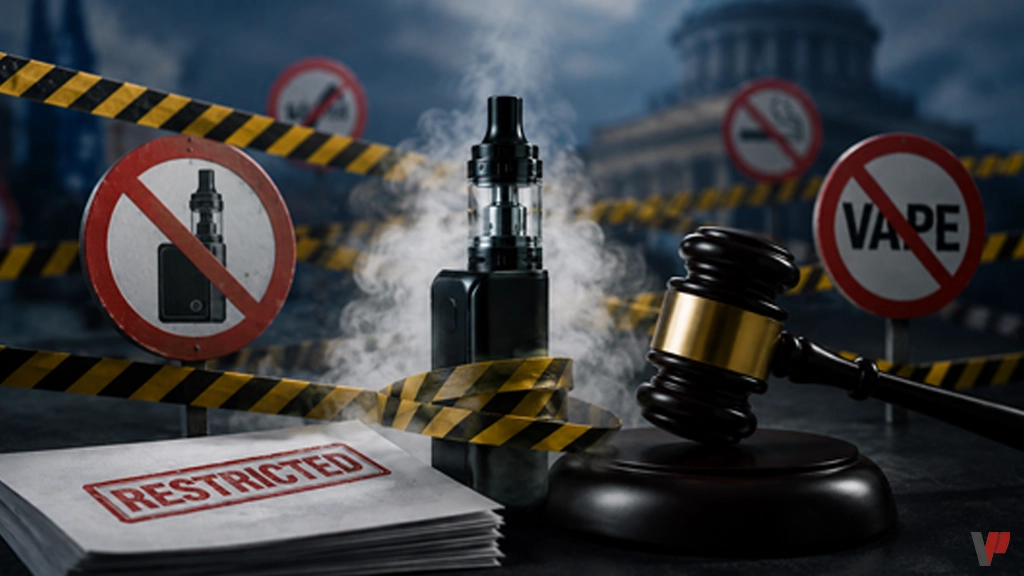
كما انتقد المدراء السابقون في منظمة الصحة العالمية ما وصفوه بالتناقض في موقف المنظمة من السجائر الإلكترونية ومنتجات النيكوتين البديلة. ففي الوقت الذي تدعو فيه المنظمة إلى فرض قيود صارمة، أو حتى حظر، على منتجات التبخير الإلكتروني والتبغ المُسخّن وأكياس النيكوتين، لا تزال السجائر التقليدية متوفرة بشكل واسع في معظم دول العالم.

ويرى المسؤولون السابقون أن «هذا الخلل قد يؤدي عمليًا إلى حماية أكثر منتجات النيكوتين خطورة، مع الحد من وصول المدخنين إلى بدائل أقل ضررًا».

وبحسب رأيهم، فإن اعتماد إطار تنظيمي يقوم على مبدأ “تدرج المخاطر” يمكن أن يشكل خطوة أكثر منطقية وفعالية. ويعني ذلك فرض أشد القيود والضرائب على السجائر التقليدية، مقابل تنظيم البدائل الخالية من الدخان بطريقة تحمي الشباب وغير المدخنين، من دون تقويض دور هذه المنتجات في مساعدة المدخنين البالغين على الابتعاد عن السجائر.

وأشار بيغلهول وبونيتا وبانغ أيضًا إلى أن الحد من أضرار التبغ ليس مفهومًا جديدًا أو خارج إطار اتفاقية منظمة الصحة العالمية الإطارية بشأن مكافحة التبغ. فالمادة 1(د) من الاتفاقية تعترف به بشكل صريح كأحد عناصر سياسات مكافحة التبغ، إلى جانب استراتيجيات خفض العرض والطلب.

لكنهم اعتبروا أن هذا الجانب ظل «غير مطور بالشكل الكافي، وغير مطبق بصورة متسقة، كما بقي محل جدل سياسي مستمر داخل الأوساط الصحية».

وأضافوا أن «الأدلة العلمية والأدوات السياسية والخبرات العملية الضرورية للحد من وفيات التدخين متوفرة اليوم، لكن ما يزال ينقص هو الإرادة السياسية لدمج الحد من أضرار التبغ بشكل كامل ضمن الجهود العالمية لمكافحة التدخين».

ويعتقد المسؤولون السابقون أن هدف «عالم خالٍ من التدخين بحلول عام 2040» يمكن أن يوفر مسارًا عمليًا لتقليل أعداد المدخنين والحد من الأمراض المرتبطة بالتدخين، خاصة إذا ركّزت السياسات الصحية على التخلص من احتراق التبغ بدل التعامل مع جميع منتجات النيكوتين بالطريقة نفسها.

منظمة الصحة العالمية تواجه انتقادات متكررة

«بينما تبقى السجائر التقليدية متاحة في كل مكان، تواصل منظمة الصحة العالمية معاملة البدائل الأقل ضررًا باعتبارها التهديد الأكبر، رغم تزايد الدعوات العلمية لإعادة النظر في هذا النهج.»
ليست هذه المرة الأولى التي تتعرض فيها منظمة الصحة العالمية لانتقادات بسبب موقفها من السجائر الإلكترونية ومنتجات الحد من أضرار التبغ.

ففي عام 2017، وقّع 70 عالمًا رسالة دعوا فيها المنظمة إلى تبني «نهج أكثر إيجابية تجاه التقنيات والابتكارات الجديدة التي يمكن أن تساهم في تسريع القضاء على الأمراض المرتبطة بالتدخين».

اطلع على الرسالة الأصلية :
Dear Dr. Adhanom Ghebreyesus,

Innovation in tobacco control: developing the FCTC to embrace tobacco harm reduction

We write to express our hope that WHO will assume a leadership role in promoting effective and fast-acting policies for regulating tobacco and nicotine. In this letter, we propose that WHO and related stakeholders adopt a more positive approach to new technologies and innovations that have the potential to bring the epidemic of smoking-caused disease to a more rapid conclusion.

In the field of tobacco control and public health, the world has changed significantly since the Framework Convention on Tobacco Control was signed in 2003. It is impossible to ignore or dismiss the rise of Alternative Nicotine Delivery Systems (ANDS). These are established and new technologies that deliver nicotine to the user without combustion of tobacco leaf and inhalation of tobacco smoke. These technologies offer the prospect of significant and rapid public health gains through ‘tobacco harm reduction’. Users who cannot or choose not to quit using nicotine have the option to switch from the highest risk products (primarily cigarettes) to products that are, beyond reasonable doubt, much lower risk than smoking products (e.g. pure nicotine products, low-toxicity smokeless tobacco products, vaping or heated tobacco products). We believe this strategy could make a substantial contribution to the Sustainable Development Goal to reduce premature deaths through non-communicable diseases (SDG Target 3.4).

The concept of tobacco harm reduction is coded into the definition of ‘tobacco control’ set out in the FCTC (Article 1.d), and we believe it now needs to be fully expressed in the FCTC and by the Parties in their approach to implementation. To that end, we offer some guiding principles for your consideration for the development of the next phase of global tobacco control, starting from the next Conference of the Parties (COP-8, 1-6 October, Geneva).

Tobacco harm reduction is integral to tobacco control. Harm reduction is a widely practiced strategy in public health (e.g. HIV, drug use, sexual health) and should become an integral component of tobacco control – helping smokers to quit smoking or diverting them from ever starting, and, in either case greatly reducing their risk.

From a health perspective, the major distinction between nicotine products is whether they are combustible or non-combustible. It is not whether they are tobacco or non-tobacco products or whether they are established or novel. Given the principal focus of the FCTC is management of health risks, this distinction should be integral to the design and implementation of the FCTC.

Tobacco harm reduction is supportive and synergistic with the ‘MPOWER’ policies that underpin the FCTC. By providing more diverse options for users to respond to taxes or other measures, harm reduction can improve the effectiveness of conventional measures and mitigate the unintentional harmful consequences of such policies to continuing users, for example the impact of cigarette taxes on people who continue to smoke.

Stakeholders should give appropriate weight to the benefits and opportunities of tobacco harm reduction and not focus exclusively on unknown risks to health, especially when these are minor or improbable risks. A lost opportunity for public health is a real harm to public health, and should be recognised as such.

Youth uptake of any tobacco or nicotine product demands a coherent and adaptable strategy focussed on reducing present and future harms to young people. Policies to address youth nicotine use should be based on an understanding of youth risk behaviours, the interactions between use of different products (for example, for some young smokers the potential displacement of smoking by low risk products may be beneficial), and due regard for the overall balance of harms and benefits to both adults and to youth arising from interventions.

Uncertainty about long-term effects should not be a reason for paralysis. It is true we will not have complete information about the impacts of new products until they have been used exclusively for several decades – and given the complex patterns of use, we may never. But we already have sufficient knowledge based on the physical and chemical processes involved, the toxicology of emissions and exposure markers to be confident these non-combustion products will be much less harmful than smoking. We also know with certainty that the incumbent product (cigarettes) is extremely harmful.

FCTC and its implementation should embrace “risk-proportionate regulation”. This means that the stringency of regulation or taxation applied to product categories should reflect risk to health. For example, there should be high taxes on cigarettes, but low or no taxes on vaping products. It is reasonable to ban all advertising of combustible products, and to place controls on advertising for non-combustible products (to protect never-smoking youth in particular) but allow enough promotion so that smokers can still learn of alternatives and can be encouraged to switch. This risk-proportionate approach should be adopted throughout the FCTC.

WHO and Parties to the FCTC should be aware of and careful to avoid the harmful unintended consequences of prohibitions or excessive regulation. If WHO-endorsed policies make non-combustible alternatives to smoking less easily accessible, less palatable or acceptable, more expensive, less consumer friendly or pharmacologically less effective, or inhibit innovation and development of new and improved products, then these policies can cause harm by perpetuating smoking.

The FCTC negotiations should become open to more stakeholders. There are many stakeholders, including consumers, the media and public health experts with pro-harm-reduction views, who should be part of the process. We are concerned that the FCTC has been excluding appropriately diverse perspectives and that its deliberations and decisions could be more robust and credible if its proceedings were more open.

We are concerned that WHO and the Convention Secretariat are not embracing these principles and in many cases are doing the opposite. We have seen the more detailed letter to you of 3 September by Abrams et al regarding prohibition and excessive regulation. We recommend that this letter be read carefully by everyone with an interest in the future of tobacco control.

We believe that it is time for tobacco control to embrace tobacco harm reduction. We hope that WHO and Parties to the FCTC will advance this agenda at the Eighth Conference of the Parties of the FCTC, starting today.

The authors of this letter confirm no conflicts of interest with respect to the tobacco industry and that no issues arise with respect to Article 5.3 of the FCTC.

Yours sincerely,

وفي عام 2021، وخلال قمة السجائر الإلكترونية، انتقد روبرت بيغلهول المنظمة بسبب ما وصفه بـ«الهدف غير الواقعي المتمثل في الامتناع الكامل عن النيكوتين»، إضافة إلى «رفضها الشديد لتبني المنتجات الأقل ضررًا».

وبعد ذلك بعدة أشهر، وجّه 100 خبير من مختلف أنحاء العالم رسالة أخرى دعت إلى «دعم وتعزيز إدراج الحد من أضرار التبغ ضمن اتفاقية منظمة الصحة العالمية الإطارية بشأن مكافحة التبغ».

وفي عام 2024، نشرت روث بونيتا وروبرت بيغلهول مقالًا في مجلة The Lancet العلمية أكدا فيه أنه «لا يوجد أي مبرر علمي لمعاملة السجائر الإلكترونية وغيرها من منتجات النيكوتين الجديدة بالطريقة نفسها التي تُعامل بها السجائر التقليدية».

ورغم تكرار هذه الدعوات خلال السنوات الماضية، لم تُظهر منظمة الصحة العالمية أي تغيير واضح في موقفها حتى الآن.

نبذة عن المؤلفين:
  • روبرت بيغلهول: شغل منصب مدير قسم الأمراض المزمنة وتعزيز الصحة في منظمة الصحة العالمية بين عامي 2004 و2007؛
  • روث بونيتا: تولت إدارة قسم مراقبة الأمراض غير المعدية بين عامي 1999 و2005؛
  • تيكي بانغ: شغل منصب مدير قسم سياسات البحث والتعاون بين عامي 1999 و2012. وقد شارك عدة مرات في المنتدى العالمي للتبغ والنيكوتين، وهو مؤتمر شاركت فيه شركات تبغ عديدة. كما أشار بانغ إلى أنه زار مختبرات شركة British American Tobacco في المملكة المتحدة، وصرّح بأن «شركات التبغ ينبغي النظر إليها باعتبارها جزءًا من الحل لمشكلة التدخين، وليس فقط باعتبارها جزءًا من المشكلة».


اشترك في النشرة الإخبارية

انضم إلى اكثر من 8000 مشترك في نشرة اخبار Vaping Post. لتبقى على اطلاع بجميع أخبار السجائر الالكترونية

المقال السابقمراجعة طقم Coolfire Z Air من شركة Innokin
Ahmad AL-FARAJI
المسؤول عن إطلاق النسخة العربية من موقع Vaping Post. بدأت الفكرة من إعجابي بجودة المحتوى الذي كان ينشره الموقع بنسختيه الإنجليزية والفرنسية. ومع بداية عام 2020 أدركت حاجة مجتمع الفيب العربي إلى مرجع موثوق بلغته الأم. بصفتي مدخنًا سابقًا تمكنت من الإقلاع عن السجائر بفضل الفيب، شعرت بمسؤولية شخصية لنقل مفاهيم الحد من الضرر إلى جمهورنا العربي، وتحويل التجربة الفردية إلى مشروع إعلامي يخدم الملايين.
الاشتراك
نبّهني عن
guest
0 Comments
الأحدث
الأقدم الأكثر تصويت
Inline Feedbacks
عرض جميع التعليقات